
Babanango Game Reserve has partnered with surrounding communities to create and sustain economic opportunities and ensure social development. We focus on true sustainability, and more than just conserving the environment, Babanango is a ground-breaking conservation project that will benefit local communities and protect precious wildlife for future generations to enjoy.
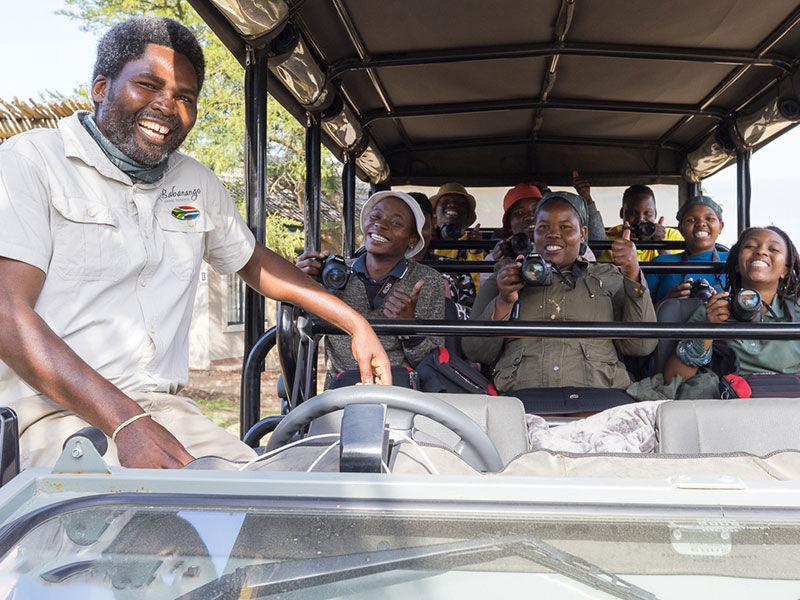
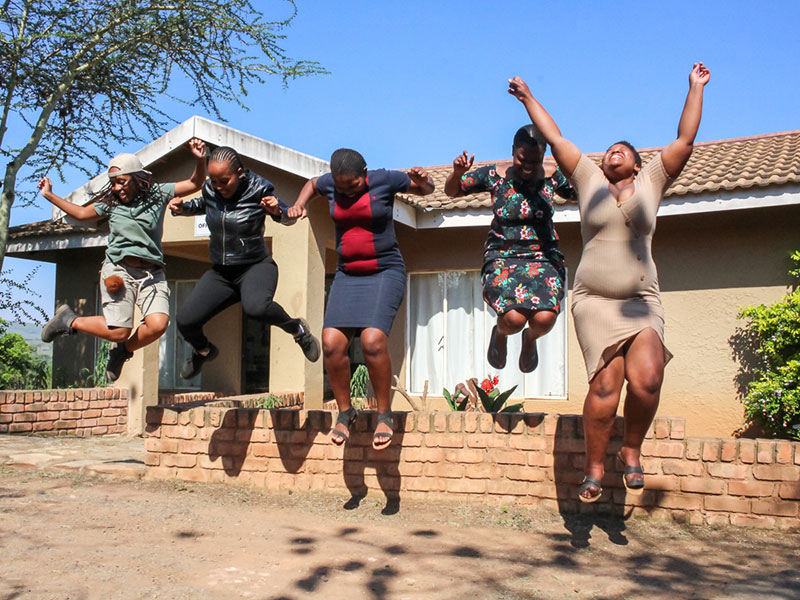
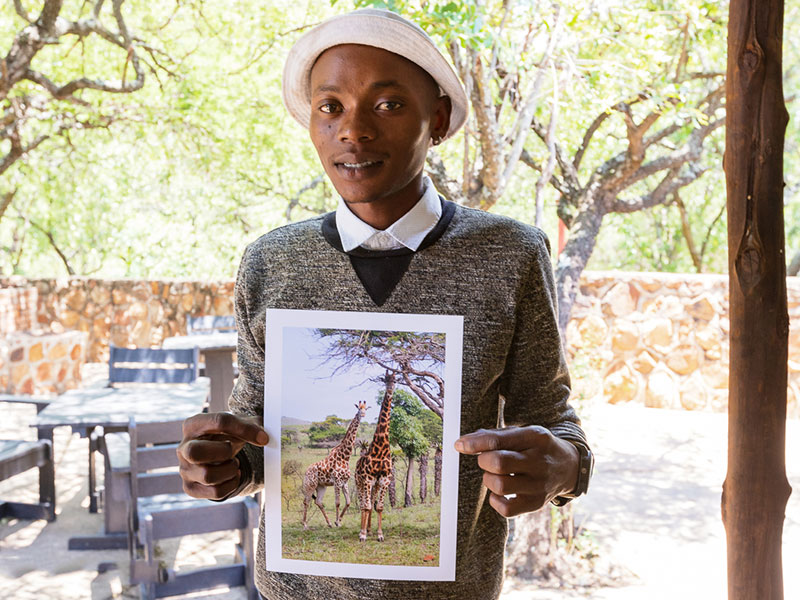
Wild Shots Outreach engages young people from disadvantaged communities in wildlife conservation through the lens of photography. The programme teaches new skills, and helps inspire the conservationists of tomorrow through photography and wildlife education.
As well as nurturing an appreciation of wildlife, and developing life skills in course participants, Wild Shots Outreach aims to promote artistic skills and deepen knowledge and understanding of the environment, conservation and wildlife tourism.
Each course consists of five workshop sessions culminating in a game drive in a game reserve. We prioritise high school students aged 15 to 17 and the young unemployed. We work with groups of eight students at a time, and use donated DLSR cameras. The course is run over a few days in the school or centre, or over a weekend in a game reserve. Each workshop is followed by a discussion session for the students to review their work, and the course concludes with a presentation session and student feedback. Students are presented with certificates and prints of their photographs. Each school or group receives a camera so that the students can continue to use their new skills.






Under the custodianship of German investors Barbara and Hellmuth Weisser and Jeffrey van Staden of African Habitat Conservancy, the legacy investment of four years in the making aims to place more land and wildlife under conservation.
As stewards of this unique piece of land, Babanango Game Reserve seeks to preserve the flora and fauna that call it home. We also partner with conservationists, non-profit organisations and the local communities. This helps educate people about the value of the ecosystem.
Rich in biodiversity, Babanango Game Reserve features mountainous terrain with granite cliffs, rocks and boulders punctuating the landscape. It also accommodates lush mistbelt grasslands, of which only 2% are protected in South Africa. The surroundings make for breathtaking views across soaring hilltops and down valleys hewn by the age-old White Umfolozi River. Sheltered within the reserve are two national symbols (South Africa’s national plant, the Protea caffra, and national bird, the Blue Crane) and a number of other rare gems worth seeking out.

Dehorning is important to sustaining our rhino population as it’s a temporary safeguard against the devastating rising incidences of poaching. With no horn present, there’s less reason for poachers to target our precious rhino.
Dehorning doesn’t cause any pain to the rhino, as the horns are primarily made of keratin, which is the protein that also makes up our hair and nails. This means the horns grow back slowly over time.
Coupled with dehorning, Babanango Game Reserve adheres to strict anti-poaching security measures to ensure the safety of our beautiful rhinos.
Sign up to our newsletter

We at Babanango Game Reserve respect your privacy and take it very seriously. Click here for information on how we collect, use, disclose, and store your personal information, in line with the Protection Of Personal Information Act (POPI Act).